
Stop Dreaming. Start Planning!
Below you will find links to help you book your dream vacation using a method I call “value traveling”.
Disclaimer: This post contains affiliate links. If you book or buy something through these links, I earn a small commission to keep this website going (at no extra cost to you) so its a win-win!
Contents
Ready to get started?
I understand, it can be hard to know when and where to start planning your dream trip.
The good news is that all of these questions can be answered below!
Not sure you want to plan a trip all by yourself? You can always hire me to do it for you!
Send an email to nick@navigatornick.com to get started.
The following resources are the ones I personally use on my own travels so I trust them 100% and they are highly recommend.

Do you already have a destination in mind? —> Jump to Budgeting
What kind of trip do you want to plan?
Some things to think about:
What type of trip did you enjoy in the past?
- Do you enjoy adventure or relaxation?
- City or country? How about both?
- Or maybe you want to try something completely new?
- Local travel or travel abroad?
Some destinations might be able to offer more than one type of trip, but here is a good start:
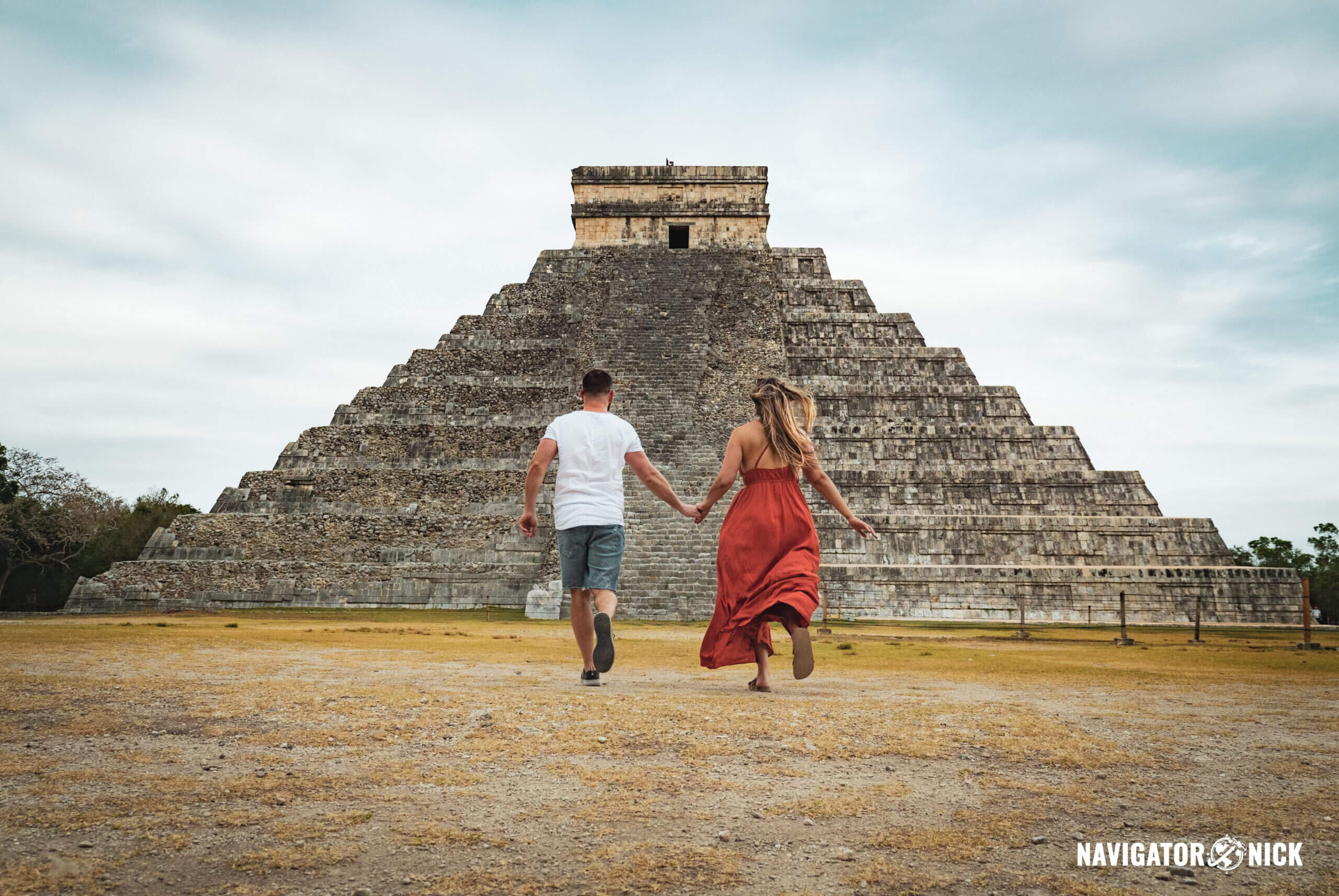
Adventure– looking for action and heart-pumping experiences? Choose countries that have plenty of outdoor sports and thrilling landscapes. Costa Rica and Mexico are excellent options for activities like swimming, jet skiing, rafting, jungle trekking, zip-lining, surfing, or cenote diving.
Relaxation– picturing yourself lying on the beautiful soft white sand, swinging in a hammock, whilst sipping on coconuts under the breezy palm trees? If so, then choose countries that are famous for their heavenly beaches or islands. Such as Maui or Greece.
Culture- if you love to learn while on your travels, plan a trip to a country with an interesting history or well-preserved traditions. For example, Thailand. Understanding a country’s culture and meeting the local people is one of the best parts of traveling!
Food– think choosing a destination based on food is silly? Think again! Trying local foods is one of the most delicious and enjoyable parts of traveling. Plan a trip based on your foodie favorites. For example, Tokyo, Italy or Spain. Yum!

The very first thing you have to do to plan a trip, and arguably the most important, is deciding how much money you want to spend on your next adventure.
If you learn how to “value travel” by using my methods and strategies, you can make (almost) any destination affordable! Here is how to value travel:
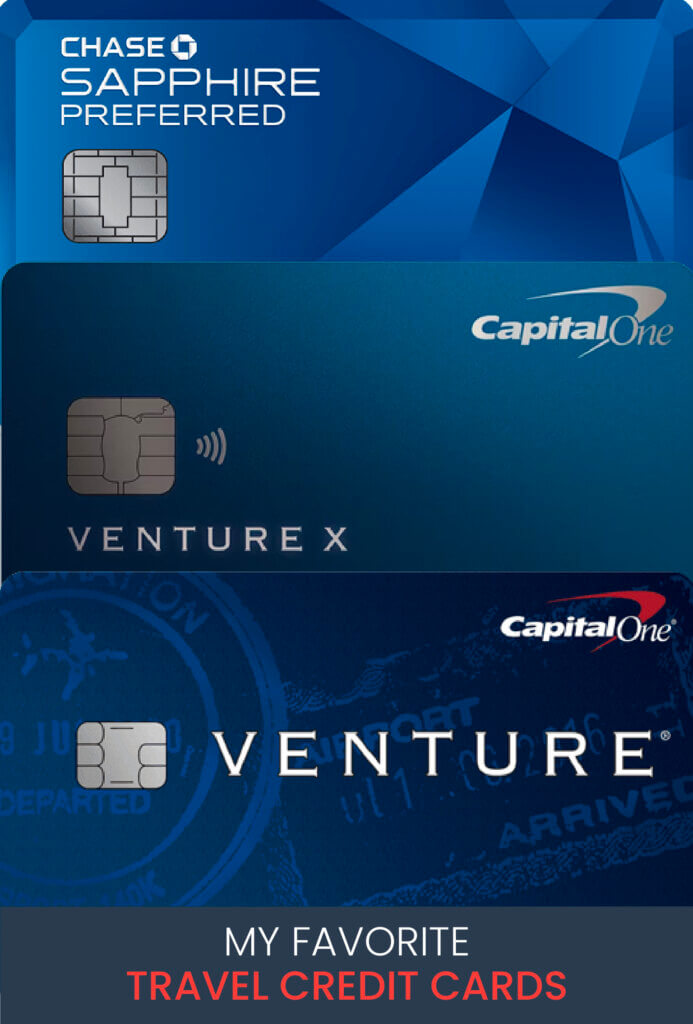
- Save big on flights by using points and miles. My favorite travel credit cards
- Find the best time of year to travel to your destination of choice in shoulder season
- Split accommodations and geographic locations between luxury and budget
- Travel only using a backpack and a carry-on (or less), no matter what!
- Prioritize travel over other spending (I know I know this one is REALLY hard!)
Your travel budget will have a big impact on where and how you plan your trip.
- Smaller budget = shorter trip, closer to home, maximizing unique experiences and fun
- Bigger budget = farther and longer trip, more relaxed
Some countries are cheaper to travel to at certain times of the year.
Europe is great for your budget in the shoulder season, April and September.
Central America, South America and Southeast Asia are cheaper January – March.
Travel Hack: If you have a couple of destinations in mind, you can potentially save a lot of money by comparing airfare and hotel of both places before deciding on one destination or the other.
On a smaller budget, visit countries that are cheaper to travel in (like Mexico, Costa Rica) or your home country. You could even consider a road trip!
Alternatively, you can entertain the idea of shortening your vacation plans to be able to visit more expensive countries like Greece or Italy if they don’t fit within your current budget.
Instead of 2 weeks, how about 10 days?
What time of year would you like to travel?
To plan a trip, you’ll need to think about seasons and which country is best to visit at that particular time of year. For example:
- Research high season and low season to find out when a country will be expensive or cheap
- Research weather patterns. For instance, Hawaii has a wet season and a dry season
- Think about why you want to visit that destination in the first place. If you’re visiting France for the Lavender Fields, go in July when they will be at their most lush
- Consider festivals and public holidays. You may want to visit a country for a particular festival. Note, sometimes public holidays can cause travel disruptions or add to the festivities
- Traveling in the shoulder season will greatly save on your budget and have reduced crowds
If your preferred destination idea #1 is extremely expensive when you would like to travel, but destination idea #2 is affordable, save destination #1 for a later date! But whatever you do, don’t put off traveling.

Research is key when planning a trip, especially when you plan to travel to a new destination.
The more time you have to research, the more informed you will be and the smoother your journey will be.
No time to research? Researching is hard? Hire Me!
Some things you can research right away are:
- Geographic location of destination
- Culture
- Weather
- Currency
- Language
- Budget
Plan a trip using My Guidebooks and Instagram
NavigatorNick Travel Guides are an excellent way of researching your destination.
If I don’t have a guidebook for your destination just send me an email and maybe it’s already in the works behind the scenes!
Instagram and Pinterest are great for photo and video inspiration for destinations. Search for your destination using the hashtags or the search bar. This is a great way to find hidden gems that you otherwise might not find out about.
Other resources
TripAdvisor is a great way to find recommendations for what to do and see. As well as where you want to stay or places you want to eat.
- Google Maps, similar to TripAdvisor, offers great recommendations for food and things to do.
- Do you know someone who has visited your destination? Ask what they did while they were there or what route they took and consider when trip planning.
- When you arrive at your destination, ask locals for tips on what to see.

Your trip revolves around you finding the best price on airfare when you want to travel. Hopefully you can maximize your savings by having schedule flexibility.
For instance, flying in/out on a weekday, instead of flying in/out on a weekend (when prices are usually higher).
If you want to get the best prices on flights, look at these three sites as far in advance as possible; CapitalOne Travel Portal (if you have a CapitalOne Travel Credit Card), SkyScanner and Google Flights. You will be amazed at the amount of money you can save by shopping around and tracking prices.
Once you have a destination in mind, enable notifications from all three websites so you can track the best time to purchase the flight. Always be ready to purchase your flight when you get the “Book Now” notification. Sometimes the deals only last for a few hours!
The best part is, these apps or websites cost nothing to use. They are free!
It’s also a good idea to compare the price directly from the airline. Sometimes the airline might have a promotion, so the price could be considerably cheaper.
Additionally, stopovers are a good way to make your flight cheaper, while also getting to add an additional location to your trip plan!

You will find the best price on Domestic Airfare 1 – 3 months out.
You will find the best price on International Airfare 6 – 8 months out.
Points & Miles
Your airfare cost is most likely going to be the most expensive part of your trip.
I highly suggest use miles to pay for this portion of your budget.
The best travel credit card to do this with is the Chase Sapphire Preferred card.
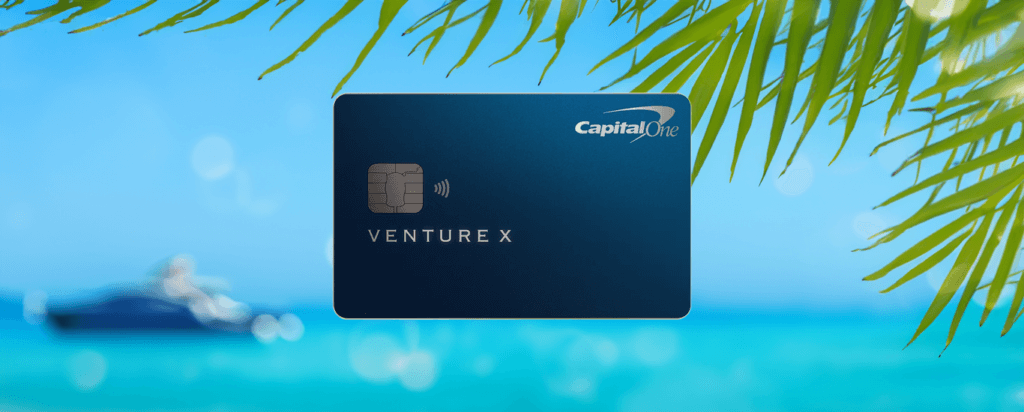
The second card I’m going to recommend is the first card I started using when I began traveling, the Capital One Venture card.
Both of these cards are a fantastic value if you travel a few times a year. The sign-up bonus is enough to get you to Hawaii (see the Hawaii trip) or a similar round-trip completely free using miles! UNREAL.

If your dream vacation has you sipping margaritas on a golden-sand beach, you will want to book your preferred all-inclusive hotel (on said beach) as soon as possible.
If your accommodations are not as important to you and if it’s adventure you’re after, skip to Step 7. You will book your accommodations after your itinerary.
Use your itinerary to decide where you need accommodations and then research where the best area is to stay surrounding your plans.
For example, is it best to be in the center of town close to the tourist sights, or near the beach for relaxation? Always read reviews before deciding on a place to stay.
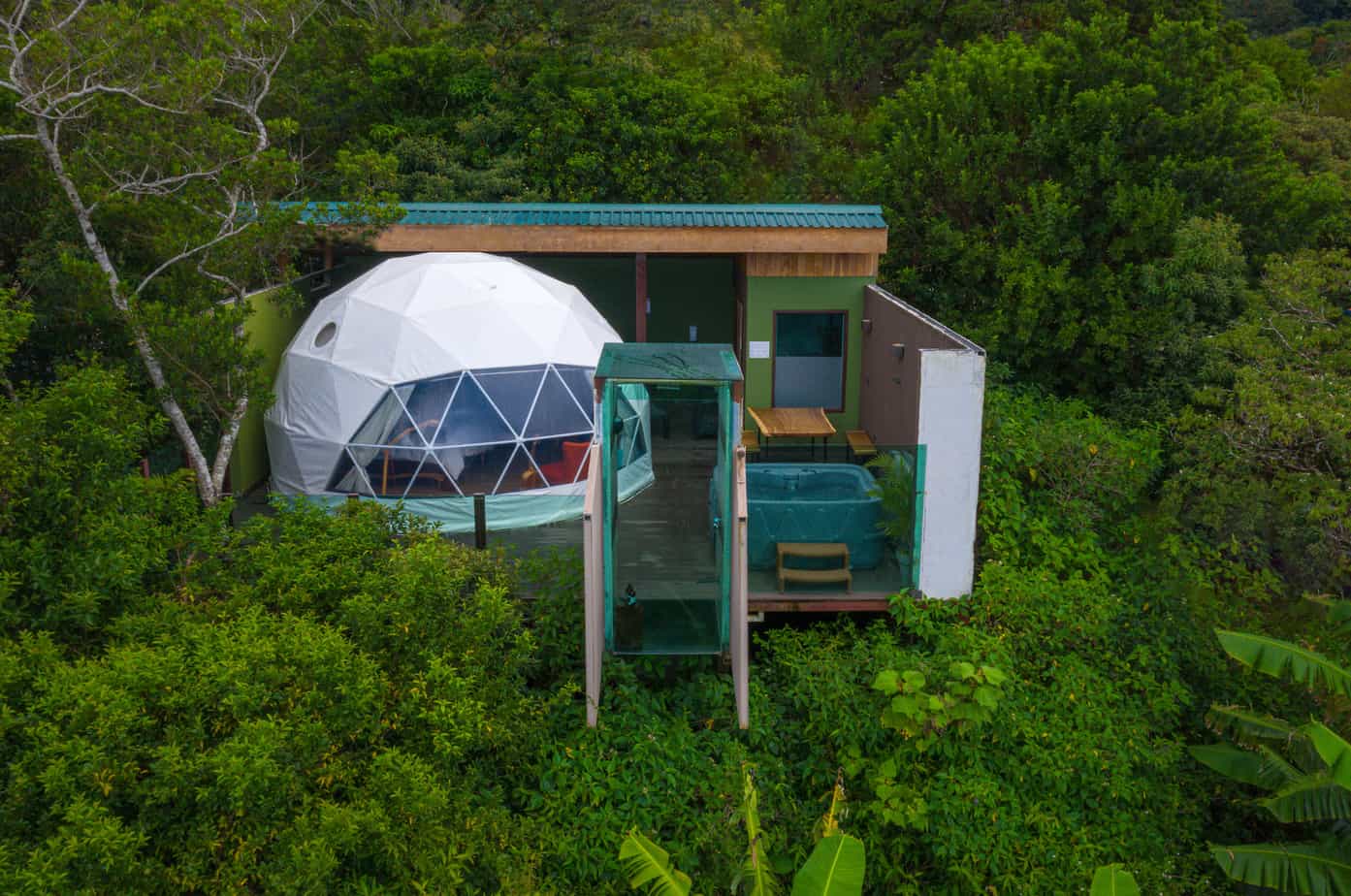
My favorite itineraries involve valuing experiences over hotel choice, unless the accommodation is an experience in itself. See the above photo when we stayed at Chira Glamping in Costa Rica!
I prefer to book a budget hotel in a specific location AND then book a fancier stay in ANOTHER location (and spend more time at the hotel). This splits your time between experiences and getting the best bang for your hotel buck. This is what I call “value traveling”.
By doing this, you split your time between experiences outside the hotel and saving money on accommodations for a few nights and then “splurging” on a fancier hotel for the other couple of nights while enjoying its amenities and relaxing. Make sense? Here is an example:
Day 1: Hiking
Night 1: Budget stay
Day 2: Rafting
Night 2: Budget stay
Day 3: Horseback Riding
Night 3: Budget stay
(move locations)
Day 4: Beach day
Night 4: Unique stay
Day 5: Pool lounging
Night 5: Unique stay
Day 6: Cooking class
Night 6: Unique stay

You’ve chosen a destination, researched the best time to go, know your budget and now it’s time to plan your day-to-day travel itinerary.
I start with Apple notes and create a note titled “Costa Rica Itinerary” or similar.
Then, use Google Maps and cross-reference Step 3 (Location Research) to get a clear overview of where your favorite sites and things to do are.
Using Google maps is helpful because you can see the distances between what you want to do, where you want to stay and what you want to see.
Logistics is everything when you have little time to spare. Many times I see travelers not take into consideration geographic location and it eats up there time and budget. Don’t be this type of traveler!
When putting your trip together, keep an eye on the following things:
- Distance– Use Google Maps to work out the distance between sights. This helps you decide how many tourist attractions you can see in one day.
- Flexibility– A trip will never go as planned; therefore, it’s best not to plan your trip too tight and factor in unforeseen events. You might decide you love a place and want to stay longer than expected or you might miss your bus.
- Relaxation– Traveling continuously is tiring, so it’s recommended to add some relaxation days into your trip plan. After all, it is your holiday!
- Transport– Where possible it’s helpful to book transport in advance. Book online to avoid missing out once you’re there. We book our transport online here.
It’s also a good idea to use forums like Tripadvisor’s to see the cost of transport when you’re there. For example, how much a taxi might cost from the city center to one of the sights outside the city. - Opening times– Check the opening times of sights, so you don’t miss out.

Based upon your itinerary in Step 6, you may need to book trains, ferries or a rental car.
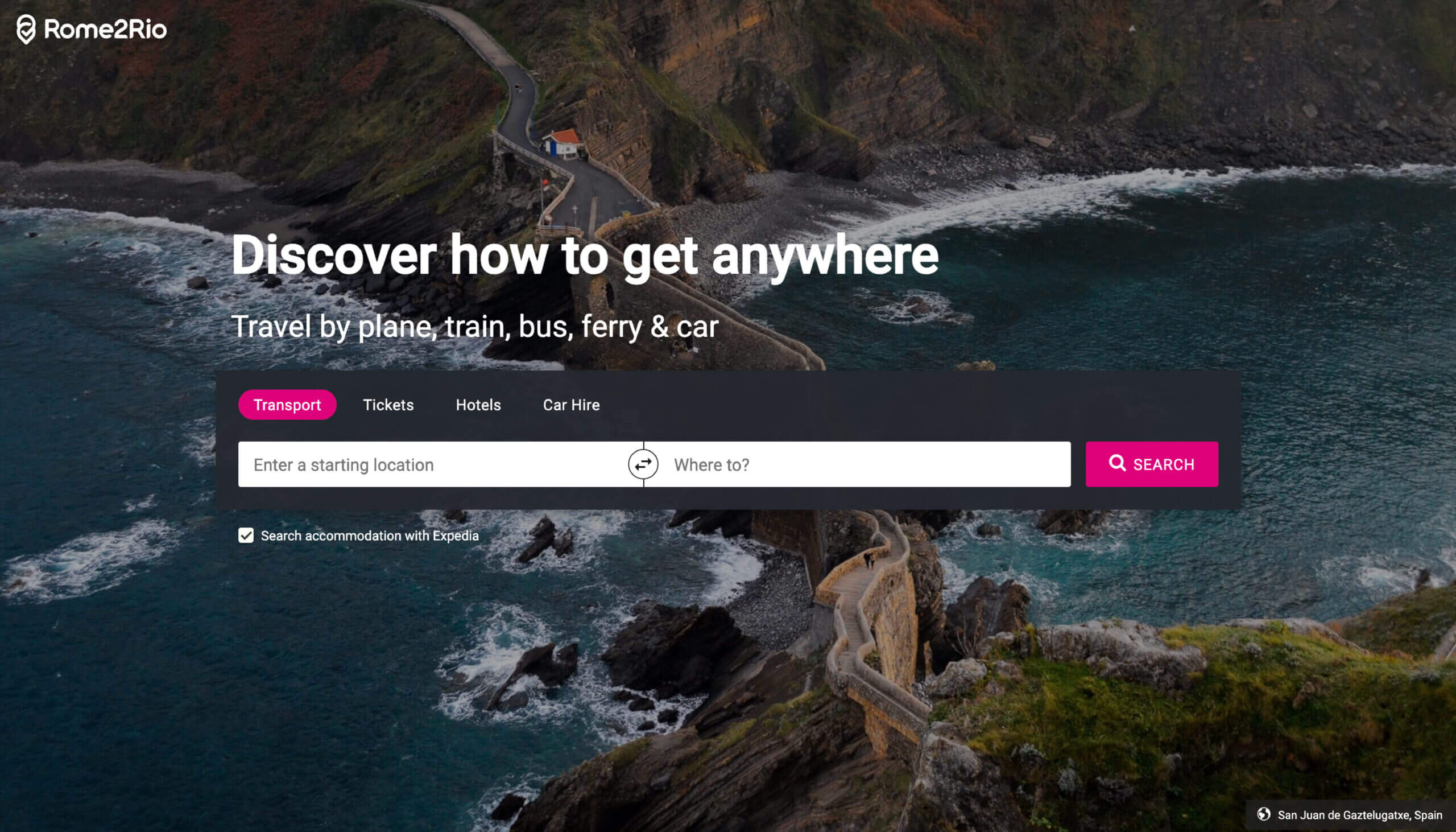
I love using Rome2Rio for figuring out how I can get from one location to the other by plane, train, bus, ferry or car.
Rome2Rio searches any city, town, landmark, attraction or address across the globe with thousands of multi-modal routes to easily get you from A to B.
Check it out at www.Rome2Rio.com!

Use GetYourGuide.com to book travel memories you’ll never forget.
Get Your Guide is my go-to for booking an excursions or tours.
They are not the only company out there, you may have heard of Viator and TripAdvisor as well. But, I prefer GetYourGuide’s 24 hour cancellation policy, their vast array of experiences and their local guides.
Wherever your travels take you, they show you the unique and unmissable things to do in your destination. Just go to their website at www.GetYourGuide.com and search your location and dates. I’ts super easy!
Browse and book (with free 24hr cancelation), and they will tell you when and where to meet your local guide.
You can just focus on having a great time.

Arriving at your destination after a long train ride or flight can be stressful when you’re not sure where you’re going. When planning a trip make sure to:
- Buy yourself a local sim card at the airport so you can use apps like Google Maps, taxi services like Uber, a translation app or simply to inform your hotel.
- Pre-plan how you will get to your accommodation and make sure you have contact details in case you get lost. For example, research how much a taxi will be from the airport and where to find one. Or work out which underground line you will need to get to your destination.
- Download a map of your first destination in your Google Maps. The offline map also holds the pins you’ve set. This way you won’t necessarily need connectivity. How to Use Google Maps When You Have No Service.
- Exchange money before you leave your home country to be sure you always have some cash available.
- Learn some basic phrases in the local language. If you’re visiting a country that doesn’t speak your native language, it’s good to learn some basic phrases in case you need to ask a question. Questions like ‘how much does that cost?’ or basic words like ‘please and thank you’.

Organizing important paperwork is an essential part of planning a trip. Don’t forget to:
- Apply for a visa, online or at your local embassy, depending on whether you need one or not. Some countries require you to apply for a visa on arrival, which means you may need to carry a passport photo with you. Additionally, you might have to pay a fee, so make sure to have the correct amount in the right currency.
- Book travel insurance. It’s always better to be safe than sorry!
- Get vaccinations you may need if you’re visiting a high-risk country for certain diseases. Not fun but it’s necessary!
- Buy medication that you may need for the length of the trip. For example, if you’re going to some parts of Africa you may need malaria tablets. This is important to think about when you plan a trip.
- Order a travel card. For instance, a Capital One Venture won’t charge you foreign transaction fees. Your money is also safer this way because if your card gets stolen the thief won’t be able to access your main bank account.
- Copy and print your important documents and keep them safely in your hand luggage so you have access to a copy at all times. For long-term travelers: Take extra passport photos!
Travel Tips, Tricks & Hacks

Book Your Trip Now!
Below are my favorite companies I use time and time again when I book my travel.
- Travel Coupons & Discounts – Get Cash Back at places like Hotels.com, Expedia, Travelocity, Priceline and many more with Rakuten. Sign up today & get $30!
- My Favorite Travel Credit Card – Chase Sapphire Prefered. This is by far the best way to book travel and earn miles/points while doing so. Use the Chase Sapphire Prefered for booking 3x travel, 3x dining and 3x on streaming services.
- My Second Favorite Travel Credit Card – In my opinion, the second best travel rewards credit card, the Capital One Venture. Use the Capital One Venture card for 2x the rewards on everyday purchases.
- Rental Cars – Search, compare and save on the best rental car company brands all in one place using DiscoverCars.
- Booking.com – Booking has the widest selection of budget accommodation in the world. In our studies, they constantly found the cheapest rooms. I also like their easy-to-use interface and no-money-down policy.
- Hotels.com – Hotels.com is my second choice for finding hotels. I love their selection and easy to navigate website. Use it often for free hotel stays with OneKeyCash.
- VRBO – The most popular vacation rental site in the US. ✓+2 million rentals worldwide ✓19+ million reviews ✓Secure online payment
- Selina Hostel – This is the best hostel accommodation in the world. Their unique CoLive stays, artwork and location are the best. Not to mention, they are a great value travel brand!
For companies, check out my favorite travel companies section that includes even more of my favorite travel companies that will help you value travel!